Flavor and Tenderness Development During Dry Aging
Himalayan Salt Supports a Fully Natural Process
Dry aging is often misunderstood as a technique that “adds” flavor to meat. In reality, it does the opposite. Nothing is added. No chemicals, no injections, no infusions. Dry aging is a controlled process that allows the meat’s own biology to unfold under stable environmental conditions. Flavor and tenderness emerge naturally through time, enzymatic activity, moisture loss, oxidation, and osmosis.
The Controlled Environment Behind Dry Aging
At its core, dry aging depends on maintaining a precise climate. Temperatures are kept just above freezing, typically between 2 and 3 °C, sometimes up to 4 °C. Relative humidity is held within a narrow range, usually between 70 and 85 percent, while continuous airflow ensures uniform conditions around the meat. This environment does not create flavor; it preserves the conditions under which natural processes can proceed in a controlled and predictable way.
After slaughter, muscle tissue is no longer supplied with oxygen or nutrients, but it remains biochemically active. Enzymes already present in the muscle continue to function. These enzymes are proteins that accelerate chemical reactions without being consumed, and each has a specific role. Some act on structural proteins, others on connective tissue or fats. Their activity is governed by temperature, moisture, and time—exactly the parameters managed during dry aging.
Enzymatic Activity and Tenderization
In the early phase of aging, proteolytic enzymes such as calpains and cathepsins begin breaking down muscle fibers and connective tissue. This is where tenderness develops. Most of this structural softening happens within the first one to two weeks. The process then slows, but it does not stop. Enzymes do not “die” after two weeks; their activity gradually tapers. If enzymatic activity ceased entirely, the defining flavors of dry-aged meat would not develop.
Oxidation and Flavor Development
As aging continues, lipases and oxidases play a more prominent role in flavor formation. Lipases release free fatty acids from fat, which then undergo oxidation. Oxidative reactions form aldehydes and ketones—aromatic compounds responsible for the nutty, buttery, and roasted notes associated with dry-aged beef.
These reactions are most active early but continue at lower intensity for weeks. Even after enzymatic activity declines, non-enzymatic oxidation and dehydration continue shaping flavor.
Moisture Loss, Osmosis, and Flavor Concentration
Moisture loss is a critical part of this process, and this is where osmosis becomes relevant. Osmosis is the natural movement of water across a semi-permeable membrane from an area of higher water concentration to one of lower concentration. In dry aging, the surface of the meat is exposed to air with carefully controlled humidity. Water migrates from the interior of the muscle toward the surface, where it evaporates. This gradual moisture loss concentrates proteins, fats, and flavor compounds within the meat.
Importantly, this is not drying in the conventional sense. The goal is not rapid dehydration, but slow, controlled water migration. When humidity and airflow are balanced correctly, osmosis proceeds gently, allowing enzymatic reactions and oxidation to continue without case hardening or spoilage. The outer crust that forms acts as a natural protective layer, while the interior develops depth and concentration.
The Role of Himalayan Salt in Environmental Stability
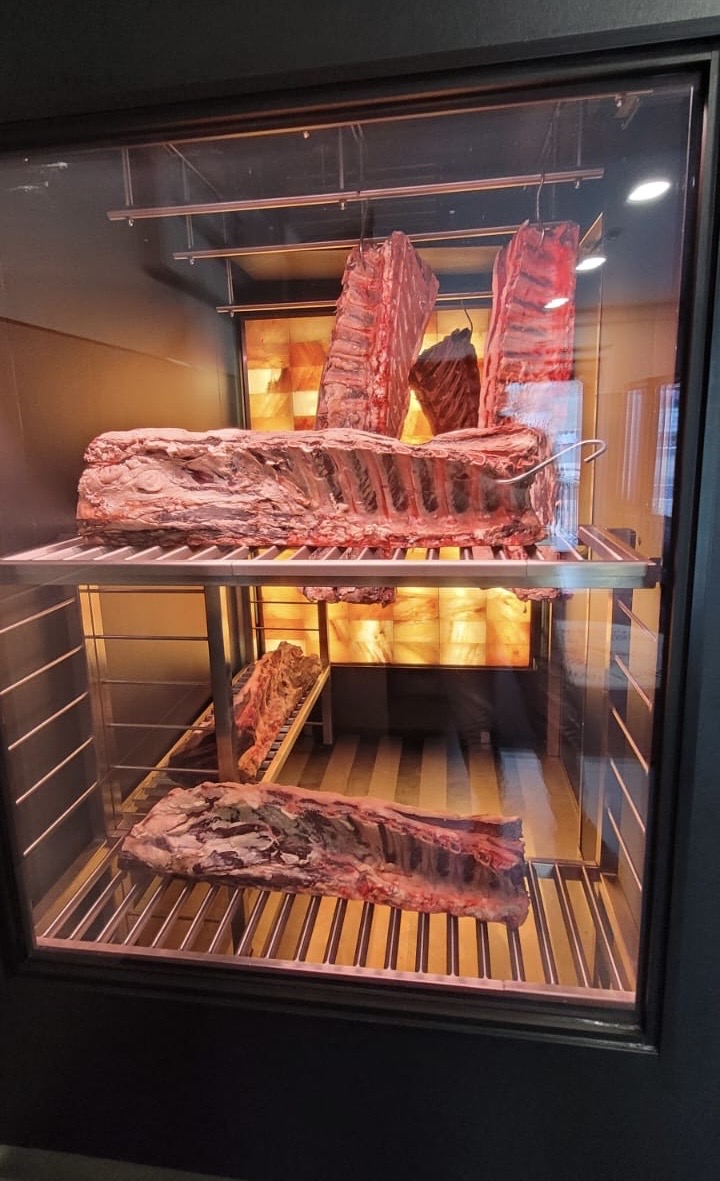
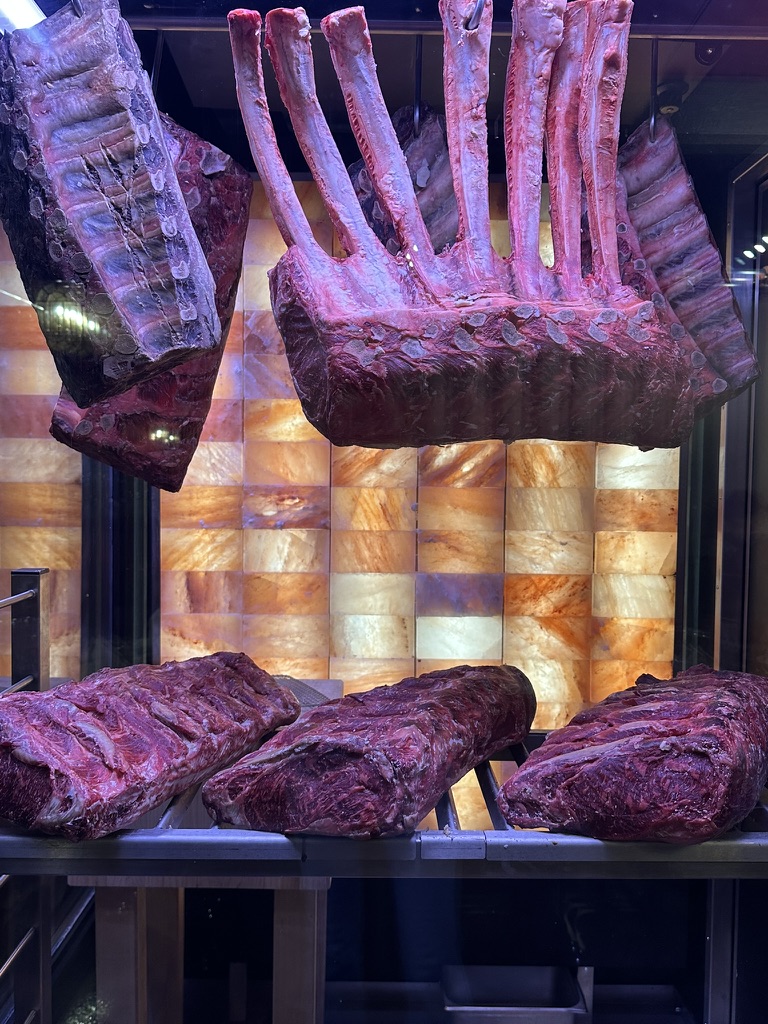
Himalayan salt plays a supporting role in this environment, not by seasoning the meat, but by stabilizing the microclimate. Solid salt has hygroscopic properties, meaning it can absorb and release moisture depending on ambient conditions. In a properly designed aging chamber, the salt acts as a passive humidity buffer. It helps dampen fluctuations, supporting steady osmosis and consistent moisture migration from the meat.
The salt does not penetrate the muscle, and it does not chemically alter the product. Its function is environmental, not additive.
Time, Maturity, and Flavor Complexity
Over time, the combined effects of enzymatic activity, oxidation, dehydration, and osmosis transform the meat. Tenderization occurs early. Flavor development continues longer, driven first by enzymes and later by oxidation and concentration. This is why dry-aged beef is commonly aged for 21 to 60 days or more. The later stages are less about texture and more about complexity and intensity of flavor.
There is no scientifically defined regional taste profile such as an “East Coast” or “West Coast” dry-aged flavor. Differences arise from the quality of the animal, its age at slaughter, fat composition, handling, and the skill of the butcher. For example, cattle slaughtered at older ages, such as many Spanish breeds, require longer aging periods to achieve balance and refinement.
Dry Aging Compared to Wet Aging
When compared to wet aging, the distinction is clear. Wet-aged meat tenderizes through enzymatic action in a vacuum-sealed environment, but moisture is retained and oxidation is absent. Flavor remains mild and sometimes slightly sour or metallic.
Dry aging, by contrast, allows enzymes, oxygen, and osmosis to work together. Moisture loss concentrates flavor, oxidation adds aromatic depth, and a natural crust forms. Trim loss is higher, but the result is a more complex and expressive product.
A Subtractive, Not Additive Process
Dry aging is not interventionist. It is subtractive, not additive. By removing water and controlling the environment, it allows the inherent qualities of the meat to reveal themselves. Himalayan salt supports this process by stabilizing humidity and enabling consistent osmosis, not by altering the meat itself. The outcome is the result of nature, time, and precise control—nothing more, and nothing artificial.
Learn More About The Aging Room® Dry-Aging Chamber
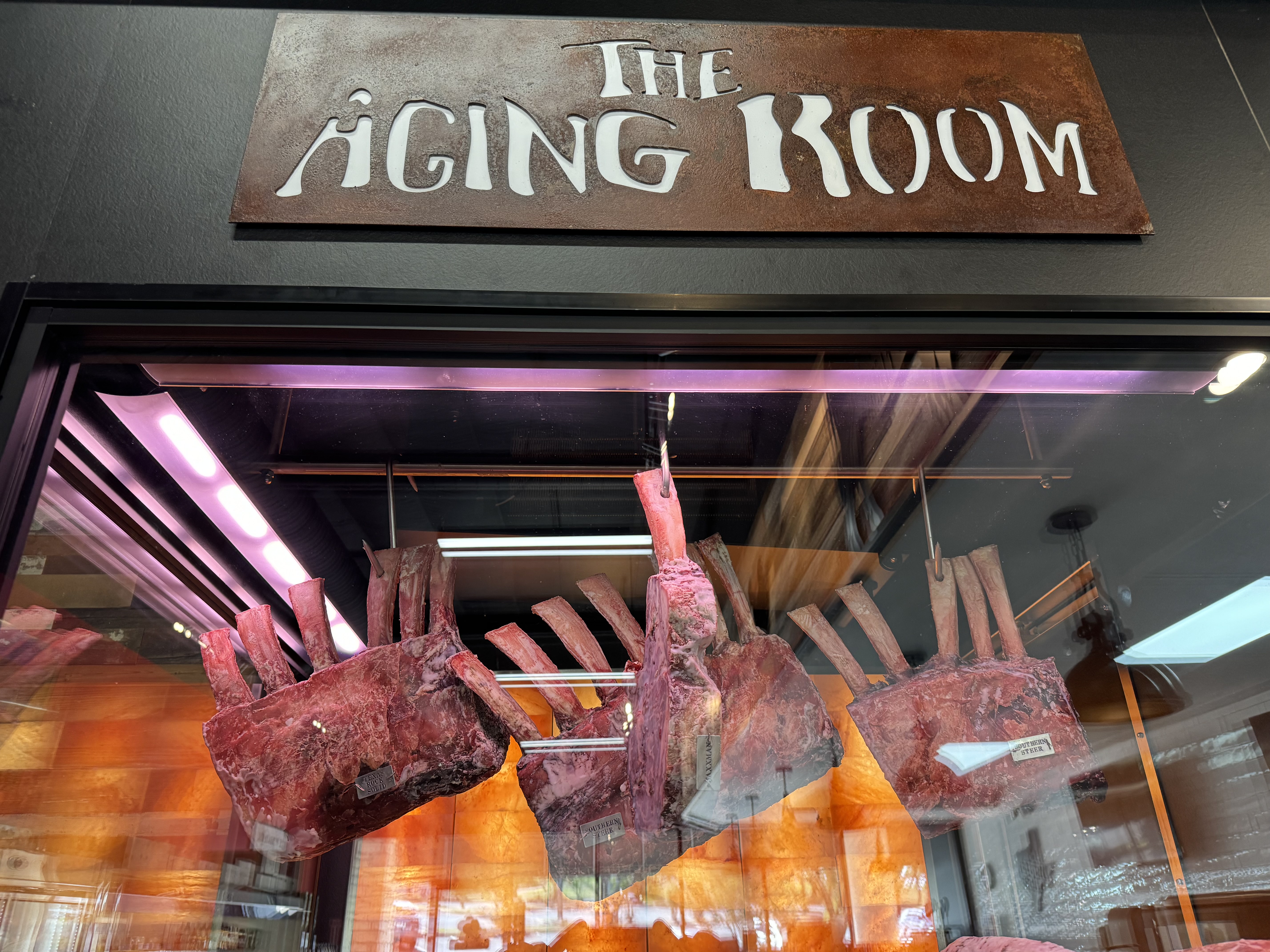
By combining traditional aging principles with modern technology, The Aging Room® uses state-of-the-art climate control and Himalayan salt to create a stable, aging-friendly microclimate. This environment supports a fully natural dry-aging process, allowing flavor and tenderness to develop without freezing, vacuum sealing, or chemical preservation.
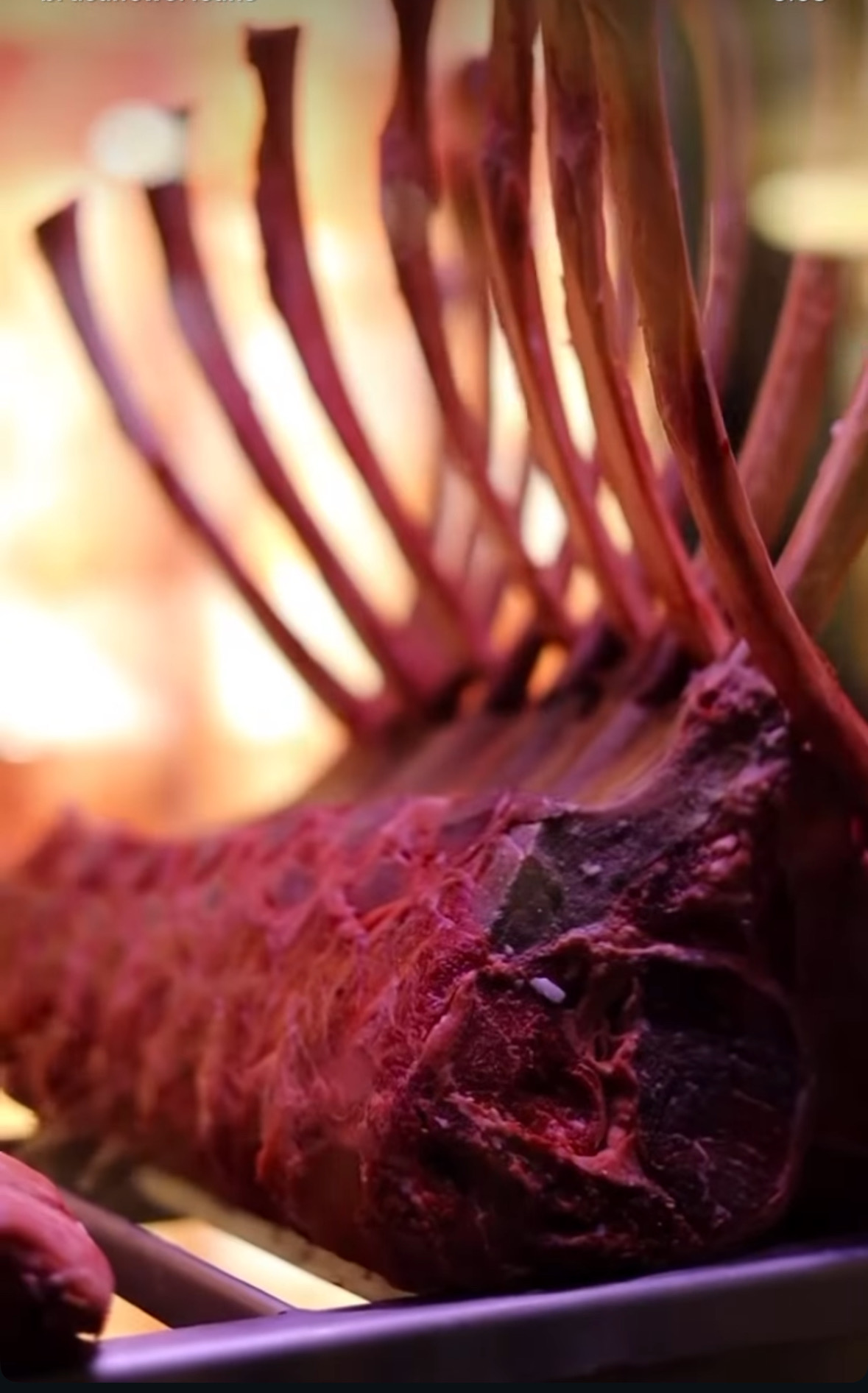
Meat rests and ripens in open air under controlled conditions, enabling restaurants, butcheries, and retail shops to utilize the full value of each cut—including pellicle and bones.
Learn more about the benefits of The Aging Room® Dry-Aging Chamber.